

 01
01The child
Choose how the character appears and how the writing adapts.
First name or character nameAge rangePronounsReading level
 A story made around the child
Create a personalized book where the child becomes the hero.
Choose the details, tone and visual style. Then review the finished story before you share it or select an available format.
Transparent pricing
Every new account includes 5 free credits. The full pricing table shows the credits needed to create the ebook, generate the audiobook, download the PDF and order printing. The applicable cost is shown before every confirmation.
View pricing and credits
It is a story built around the name, age, interests and details an adult chooses—familiar people, pets, places, memories, drawings or ideas. The adult sets the tone and visual style, then reviews the words and images before sharing, printing or ordering any available format.
Mythoria editorial content · Reviewed August 11, 2026
Meaningful personalization changes who enters the story, where the adventure happens, which challenge appears, how the language fits and which details return in the illustrations.
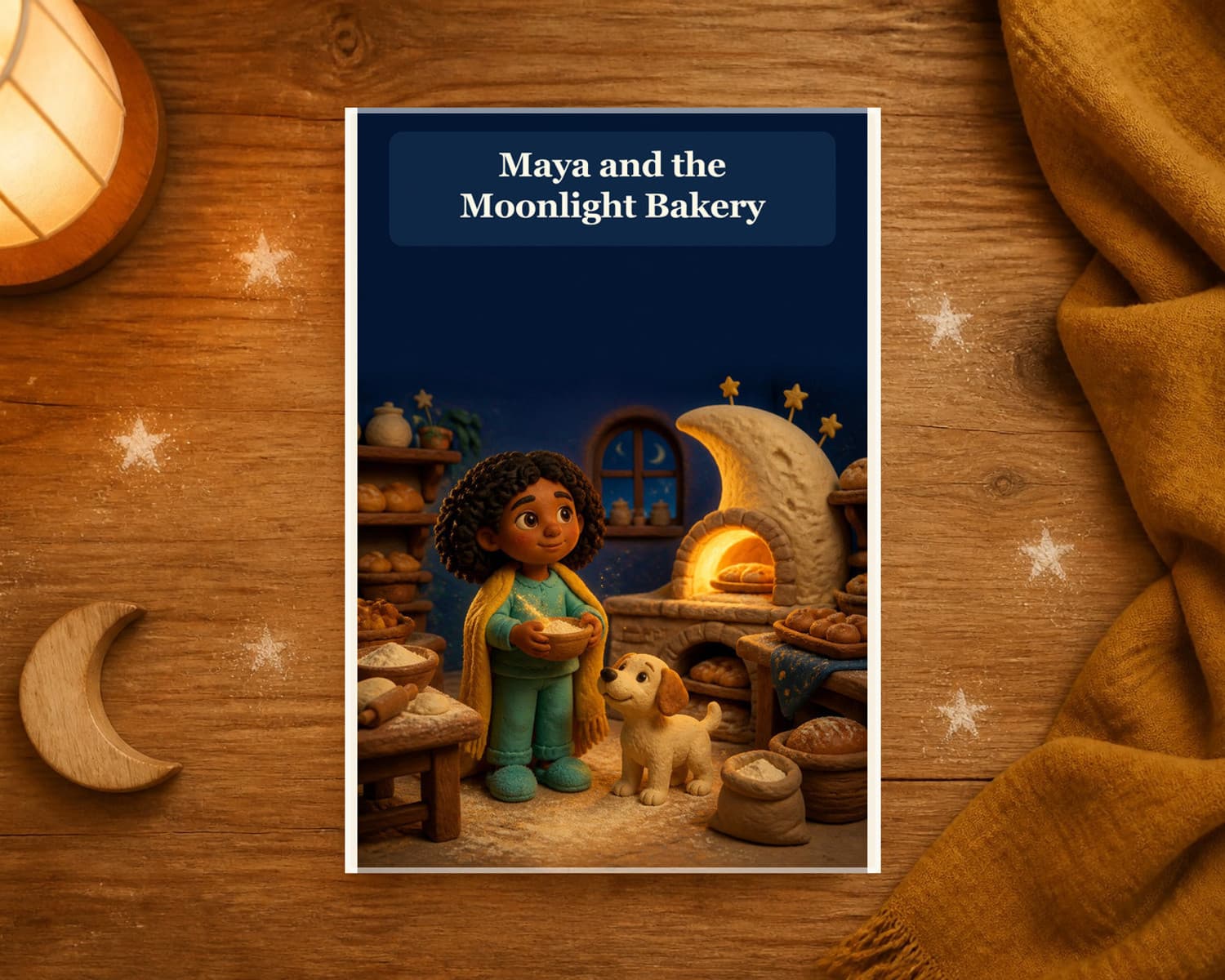
For example, “loves dogs, pancakes and a yellow blanket” can become a moonlight bakery where the child and their dog bake a final dream before sunrise.
You do not need to write an entire story. Start with the details you know, then choose a narrative and visual direction.
Before the book leaves the private space, an adult should check names, text, images, identifiable people and anything that should be removed.
The character, setting and challenge can grow from details chosen by the adult.
Age, pace and language guide how the story is told.
The visual style gives the finished book its own identity.
A final review lets you correct or remove details before sharing.
Choose a starting point that feels familiar to the child and let that detail guide the book.
An adventure built around a favorite place, creature or object.

A calmer rhythm, familiar routines and audio when available.
Use an authorized photo of a drawing as the creative seed for characters and worlds.

Soccer, dinosaurs, space, trains, animals, music, science or another safe interest.

A recipe, trip, saying, pet or day that the family would like to preserve.

A birthday, Christmas, christening or another occasion that calls for something unique.
Begin with a few useful details. A story can feel familiar without exposing private information.
01Choose how the character appears and how the writing adapts.
02Include only relevant people and animals with appropriate permission.
03Use concrete elements the child recognizes without revealing more than necessary.
 04
04Choose the kind of experience you want to read together.
05Set the mood of the illustrations and use media only with permission.
Books made with Mythoria
Explore finished Mythoria books for different ages, interests and visual styles. Open a chapter and listen to a localized excerpt before starting yours.
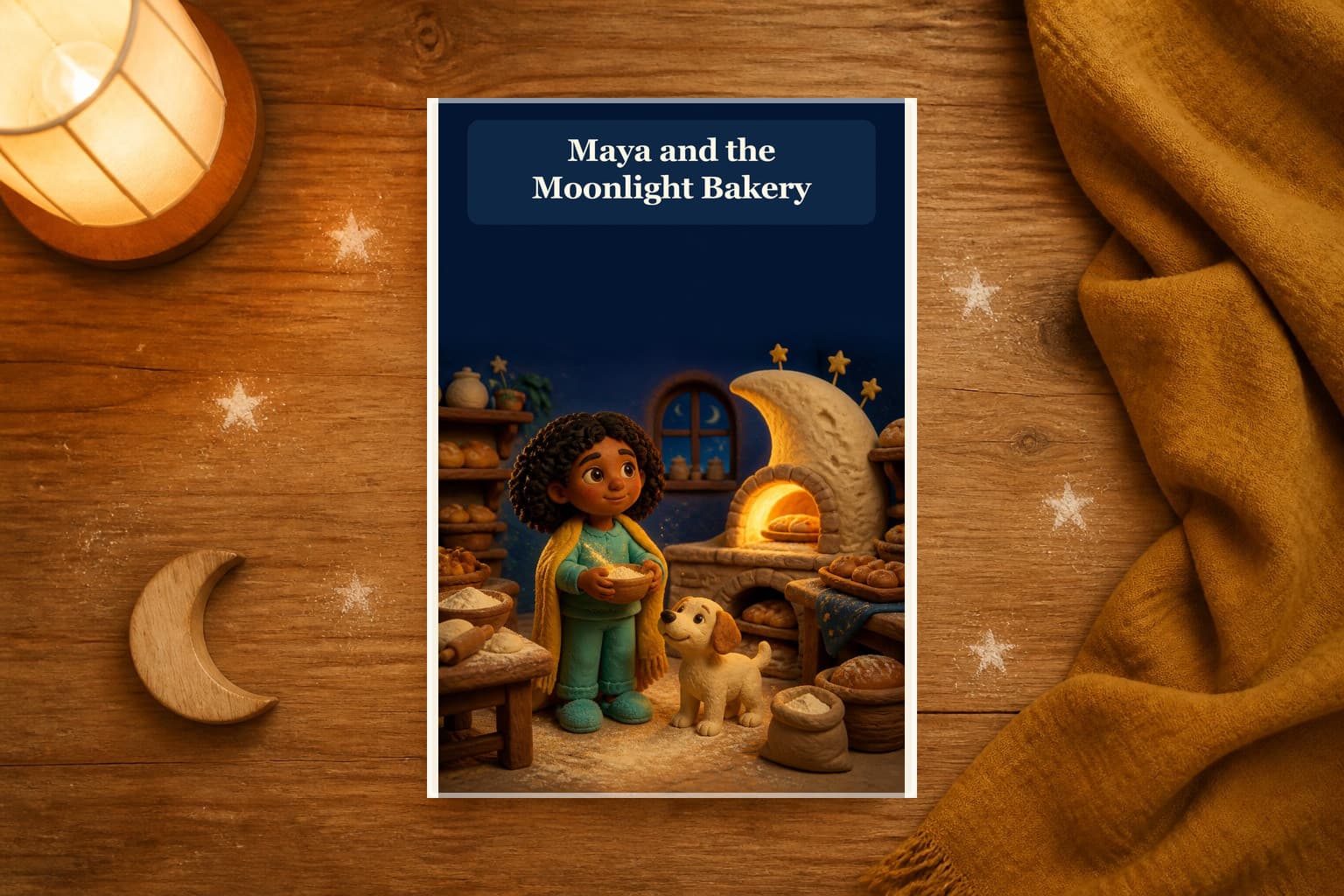
Maya and her dog discover a moonlit bakery where dreams are kneaded before sunrise.
When the moon opened its tiny bakery, Maya was the first to smell warm starlight.
 Listen to Maya’s narrated excerpt
When the moon opened its tiny bakery, Maya was the first to smell warm starlight. Maya was tucked beneath her yellow blanket when the scent of warm starlight slipped through her Brooklyn window. At the end of a glowing staircase, copper mixers turned slowly and round loaves slept beneath embroidered cloths. Mrs. Aurora explained that one final loaf still needed a comforting memory, a small piece of courage and someone willing to share. Maya thought of Sunday apple pie, admitted that darkness sometimes frightened her and divided the dough into two equal pieces.
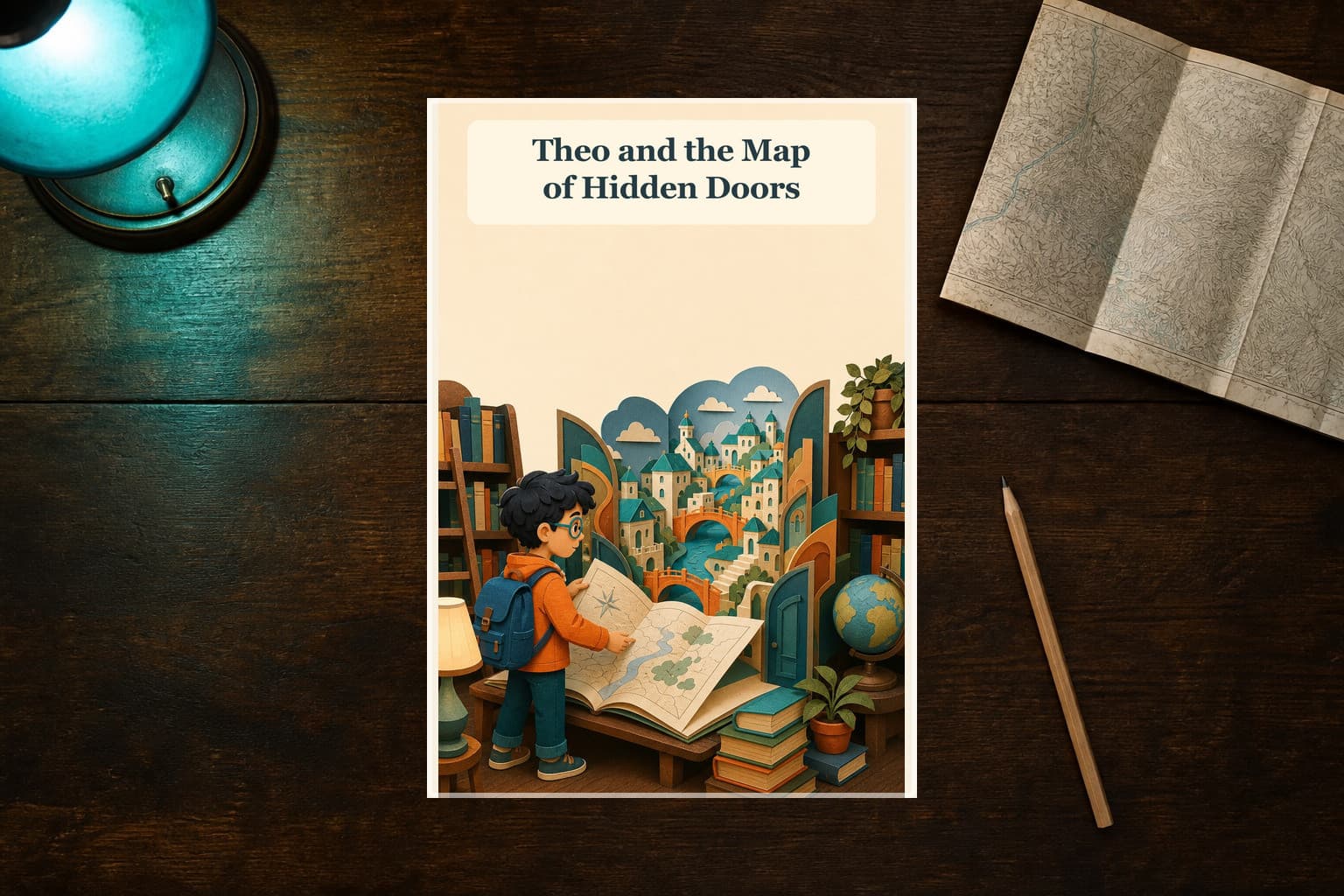
A map found inside an old library book opens paper doors across the city, but the final door asks Theo to accept help.
The map looked ordinary until its first little door lifted off the page.
Listen to Theo’s narrated excerptThe map looked ordinary until its first little door lifted off the page. The map looked ordinary until its first little door lifted off the page. Theo found it inside an untitled book at the Brooklyn Public Library and touched it with the tip of his pencil. He and Zoe crossed a layered paper city where trees folded into fans and birds had envelope wings. The last door had no handle—only two hand-shaped marks. When they pressed them together, it unfolded like a blue flower.
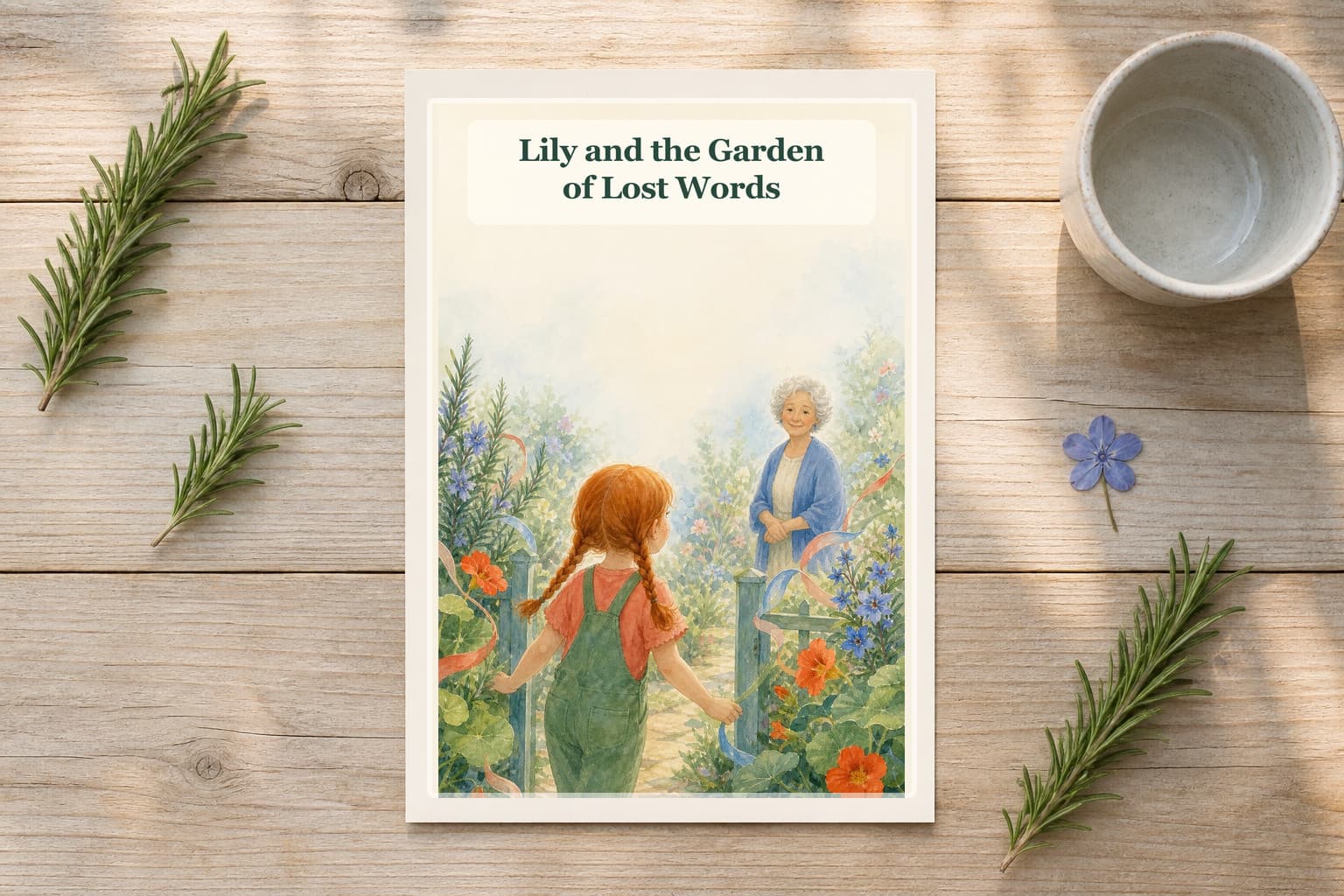
Lily enters a garden where family sayings grow like flowers and each one must be understood before it can be carried home.
In Lily’s garden, words were not written down; they grew slowly among the leaves.
Listen to Lily’s narrated excerptIn Lily’s garden, words were not written down; they grew slowly among the leaves. In Lily’s garden, words were not written down; they grew slowly among the leaves. A blue flower opened beside the rosemary and whispered “cozy,” while another kept repeating “be right there.” Aunt Amelia explained that a word without its story becomes too light and disappears. Instead of picking the flower, Lily drew it and listened to the family memory behind it. At dinner, everyone reviewed the new page together.
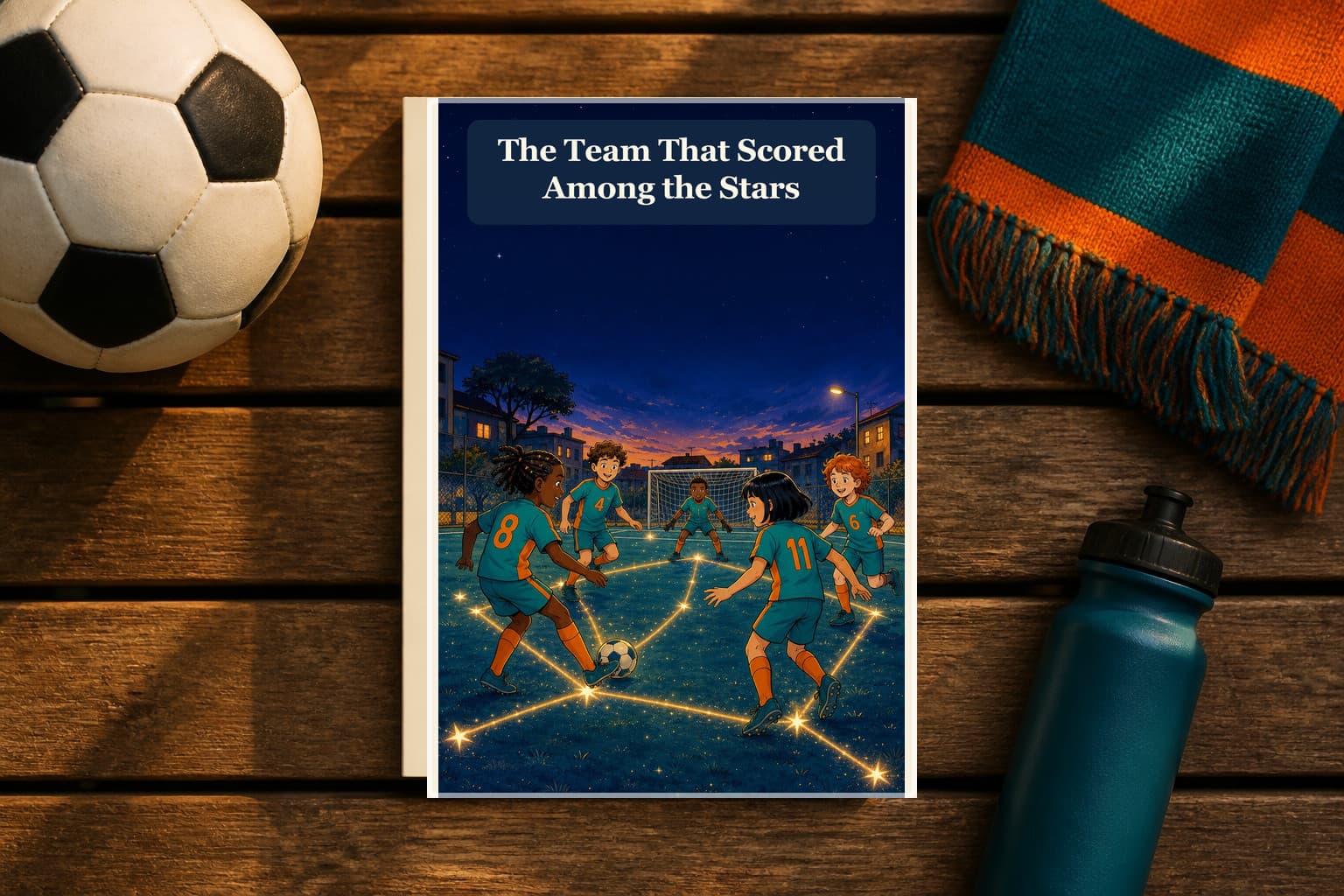
A neighborhood soccer field lights up when every player contributes a different strength.
The ball glowed for the first time when the pass reached the player nobody had noticed.
Listen to the team’s narrated excerptThe ball glowed for the first time when the pass reached the player nobody had noticed. The ball glowed for the first time when the pass reached the player nobody had noticed. A silver line swept across the neighborhood field and joined the Comets like a constellation. Jordan saw the space, Sam dropped back, Maya played the simple pass, Mei chose the moment and Noah kept running. The goal did not belong to one star. The whole sky had been drawn by the team.
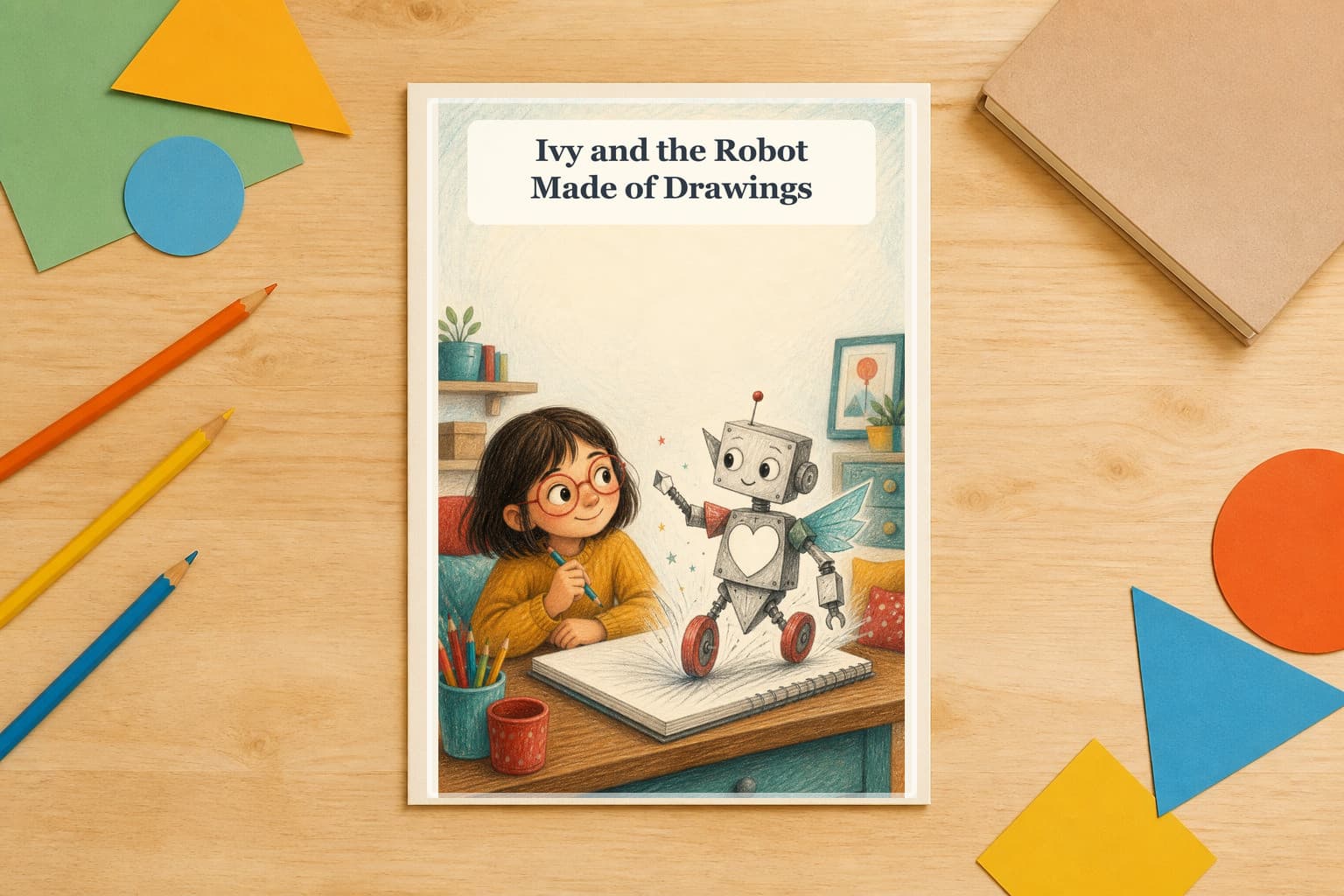
A mismatched robot climbs out of a sketchbook and asks Ivy for help discovering what it was made to do.
Ivy’s robot had three wheels, two paper wings and a question drawn on its chest.
Listen to Ivy’s narrated excerptIvy’s robot had three wheels, two paper wings and a question drawn on its chest. Ivy’s robot had three wheels, two paper wings and a question drawn on its chest. At midnight it rolled out of the sketchbook with the soft scratch of a colored pencil. Scribble could find tiny objects and sort shapes, but no task explained its purpose. Ivy drew three circles—“I can,” “I enjoy” and “I help.” When the robot compared ideas without choosing for her, the question mark began to glow.
Private digital reading for review before sharing.

Narrated audio when it is available for the story.

Private sharing and a self-print PDF when available.

A printed book according to the current offer, price and destination.
Use only what the story needs. The adult is responsible for reviewing the result and deciding whether it is ever shared.

An adult starts the book, checks the details and decides what happens next.

Creating the story does not automatically turn it into a public page.

Use photos, drawings or voice only when you have the appropriate rights and permission.
Check words, images, other people and sensitive details before sending, printing or publishing.
You can adapt the character, age range, pronouns, interests, authorized people and pets, places, sayings, type of adventure and visual style. Include only what the story needs and identify anything you want excluded.
No. Start with a short idea, memory, drawing, authorized photo or voice note. Mythoria helps shape the narrative; the adult remains responsible for reviewing the result.
You can choose an age range to guide vocabulary, pacing and story type. Always confirm that the result suits the individual child before sharing it.
Yes. Use a first name or choose a different character name, then adapt interests, appearance and story details without disclosing unnecessary information.
Yes, when they matter to the story. For identifiable people, use only information and images you have permission to use. For pets, choose recognizable details that serve the story.
You can use an authorized photo of a drawing as a starting point when that option is available. Avoid protected characters and check how the drawing appears in the result.
Use your own authorized photos through the options provided. Avoid documents, addresses, school names, precise locations and images of other people without appropriate consent.
Yes. Ask for a gentler pace, familiar setting and soft adventure. This is a narrative choice, not a promise about sleep or any other outcome.
An adult should review names, words, images and details before sharing. The available editing options appear during creation; remove anything incorrect or sensitive before continuing.
The story starts private and does not become public simply because it was created. Sharing or publishing requires a separate action. See the privacy policy for current information about data handling, retention and deletion.
All five books on this page include a short localized audio teaser. For a book you create, narration availability is shown in the experience. A short excerpt is not presented as a complete audiobook.
Private digital reading is part of the experience. Audio, private sharing, self-print PDF and printed books depend on the current options, applicable price and destination. Check what is displayed before continuing.
Check the pricing page and the amount shown in the creation flow before confirming. Pricing depends on the selected option; this landing page does not publish separate prices or promotions.
Timing varies by story and format. When printing or delivery applies, the relevant estimate should be shown before confirmation. This page does not promise a fixed turnaround.
Choose one of the languages currently offered in the creation flow. Always review names, family expressions and pronunciation, especially when mixing languages.
Mythoria is a creative tool for making personalized stories. It does not replace family, educational, clinical or therapeutic guidance and does not promise sleep, learning or behavior outcomes.
Explore more
Keep exploring ideas, occasions and thoughtful ways to turn memories into personalized books.
Create a personalized family book from names, memories, recipes and photos for grandparents and grandchildren to read together.
Explore Personalized book for grandparents and grandchildrenStart with a name, interest, drawing, memory or idea. Create the first result and review it carefully before deciding what comes next.